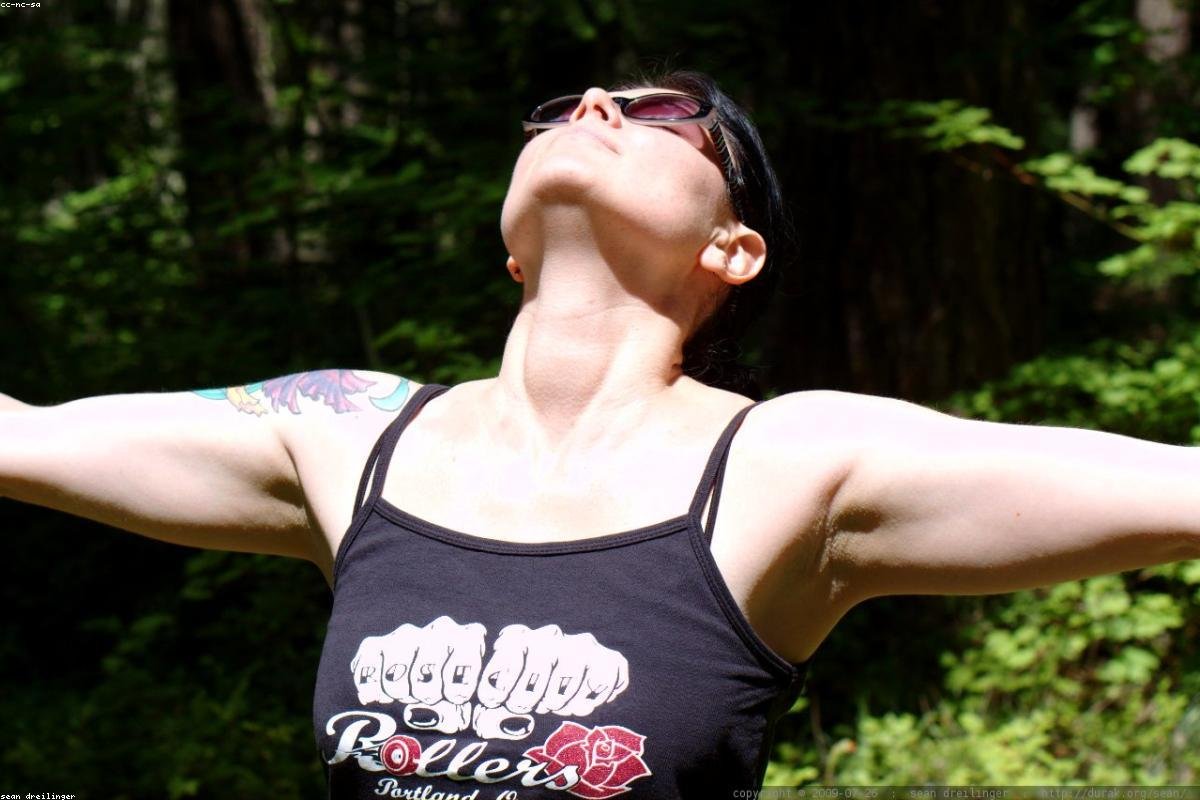
Sitting at a desk all day fundamentally changes the way your body rests. As you focus intently on the screen, your shoulders slowly creep up toward your ears, and your upper back rounds forward. Over an eight-hour workday, this seemingly harmless posture forces your shoulder muscles into a continuous, exhausting contraction.
You do not need an hour at the gym to reverse this tension. The most effective strategy is introducing small, consistent interruptions to your sitting habits. By dedicating just five minutes to a targeted stretching routine, you can decompress the joints and restore blood flow to the muscles that are screaming for a break.
The 3-Move Routine
This simple routine requires no equipment and can be done right in your office chair. Try to complete the entire sequence without rushing.
1. Seated Cat-Cow
This movement mobilizes the thoracic spine, reversing the classic "hunched" typing posture.
- Sit on the edge of your chair with your feet flat on the floor and hands resting on your knees.
- Inhale deeply, arch your back, pull your shoulders down, and look slightly upward (Cow).
- Exhale fully, round your spine backward, tuck your chin to your chest, and let your shoulders roll forward (Cat).
- Move smoothly between these two positions for 60 seconds.
- Tip: Let your breath dictate the speed of the movement.
2. Overhead Reach and Side Bend
This stretch targets the latissimus dorsi and the muscles along the rib cage, which become incredibly tight from sitting.
- Raise both arms straight above your head and interlace your fingers, turning your palms toward the ceiling.
- Gently lean to the right side, keeping both sitting bones firmly planted on the chair. Hold for 10 seconds.
- Return to the center, then lean to the left side and hold for 10 seconds.
- Alternate sides for 60 seconds.
- Tip: Keep your arms as straight as possible without locking your elbows.
3. Deep Shoulder Rolls
A highly effective way to release the upper trapezius muscles.
- Sit tall and let your arms hang loosely by your sides.
- Shrug your shoulders up toward your ears as high as they can comfortably go.
- Roll them backward, squeezing your shoulder blades together.
- Drop them down to the starting position.
- Perform 15 slow, deliberate circles backward, then switch and do 15 forward.
Why this works
The muscles in your upper body are covered by a web of connective tissue called fascia. When you remain stationary in a slightly contracted position — like when typing — this fascia becomes stiff and restrictive. It literally binds your muscles in place. Movement acts as a lubricant.
The seated cat-cow forces movement into the stiffest part of your spine, breaking up the restrictive fascia. The overhead reaches stretch the side body, allowing your lungs to expand fully, which brings more oxygen into your bloodstream. Finally, the slow shoulder rolls act as a dynamic massage for the trapezius, flushing out stagnant blood and encouraging fresh circulation.
A note from Tato
It is totally normal to feel like your shoulders have turned into solid concrete by 3 PM. We all get caught up in our work and forget to move! There is no need to feel bad about it. Just take five minutes today to show your upper body a little bit of kindness. Every tiny movement counts. I'm rooting for you!
Tato handles the timing for you. The app sends a friendly reminder, picks an exercise, and gets you moving. Download Tato — free, no ads, no tracking.