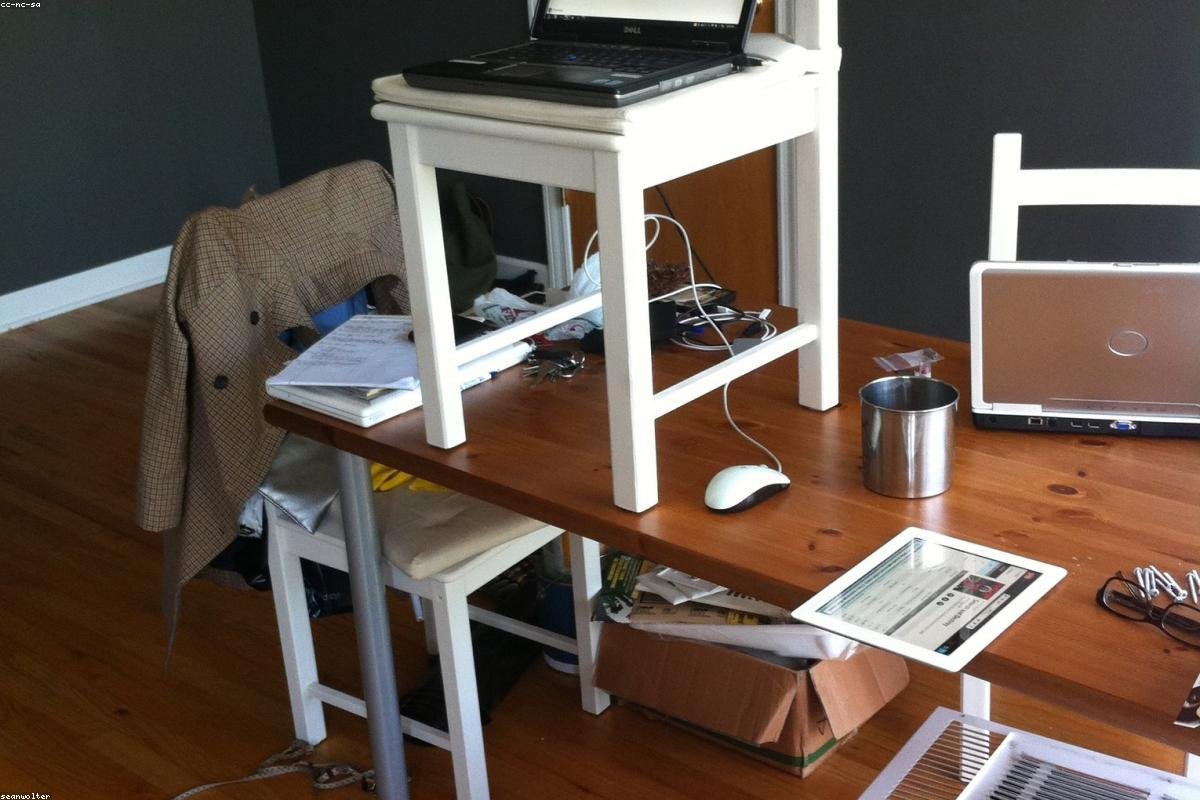
Working from your living room makes it dangerously easy to lose track of time. Without the natural interruptions of a traditional office — walking to meeting rooms, stepping out for lunch, or grabbing coffee with a coworker — you can easily find yourself anchored to your chair for hours. The human body requires regular mechanical shifts to function properly, and remaining static is the fastest route to physical fatigue.
The 40-Minute Rule
The sweet spot for movement breaks is every 40 minutes. This interval is long enough to allow for deep work and solid concentration, but short enough to prevent blood from pooling in your legs and tension from building in your lower back. Waiting until your muscles actively hurt before you stand up means you have already waited too long.
The Break Routine
Taking a movement break does not mean you need to do jumping jacks or break a sweat. The goal is simply to change your physical geometry. Here is how to structure a solid 2-minute break.
1. The Posture Reset
Before you even leave your desk area, stretch upward.
- Stand up and reach both arms straight toward the ceiling.
- Take a deep breath in, elongating your spine.
- Exhale and let your arms drop down.
- This instantly decompresses the vertebrae in your back.
2. The Circulation Walk
You need to activate the large muscle groups in your legs to get your blood pumping back to your brain.
- Walk away from your desk for at least 60 seconds.
- Go to the kitchen for a glass of water, step out onto the balcony, or simply pace the hallway.
- Tip: Leave your phone on the desk. Let your eyes rest by looking at objects further than two feet away.
3. The Hip Opener
Sitting tightens the hip flexors immensely. Reversing this is crucial.
- While standing, take a gentle lunge step forward with your right leg.
- Keep your back leg straight and squeeze your left glute until you feel a stretch in the front of your left hip.
- Hold for 15 seconds, then switch legs.
Why this works
Our bodies act like sponges. When you sit for an extended period, the sustained pressure squeezes fluids out of the spinal discs and restricts blood flow to the lower extremities. Standing up and moving acts like releasing the sponge, allowing fresh blood, oxygen, and nutrients to rush back into those tissues.
Furthermore, the 40-minute cadence directly supports your cognitive function. The brain consumes a massive amount of oxygen, and light cardiovascular movement every 40 minutes provides a reliable spike in circulation. This is why a short walk often solves a mental block much faster than staring harder at the screen.
A note from Tato
Building a new habit is tough, especially when you are hyper-focused on finishing a project. It is perfectly fine if you miss a break here and there. We are aiming for progress, not perfection. Let's make a deal to just stand up a little more often today. You got this!
Tato handles the timing for you. The app sends a friendly reminder every 40 minutes, picks an exercise, and times it. Download Tato — free, no ads, no tracking.